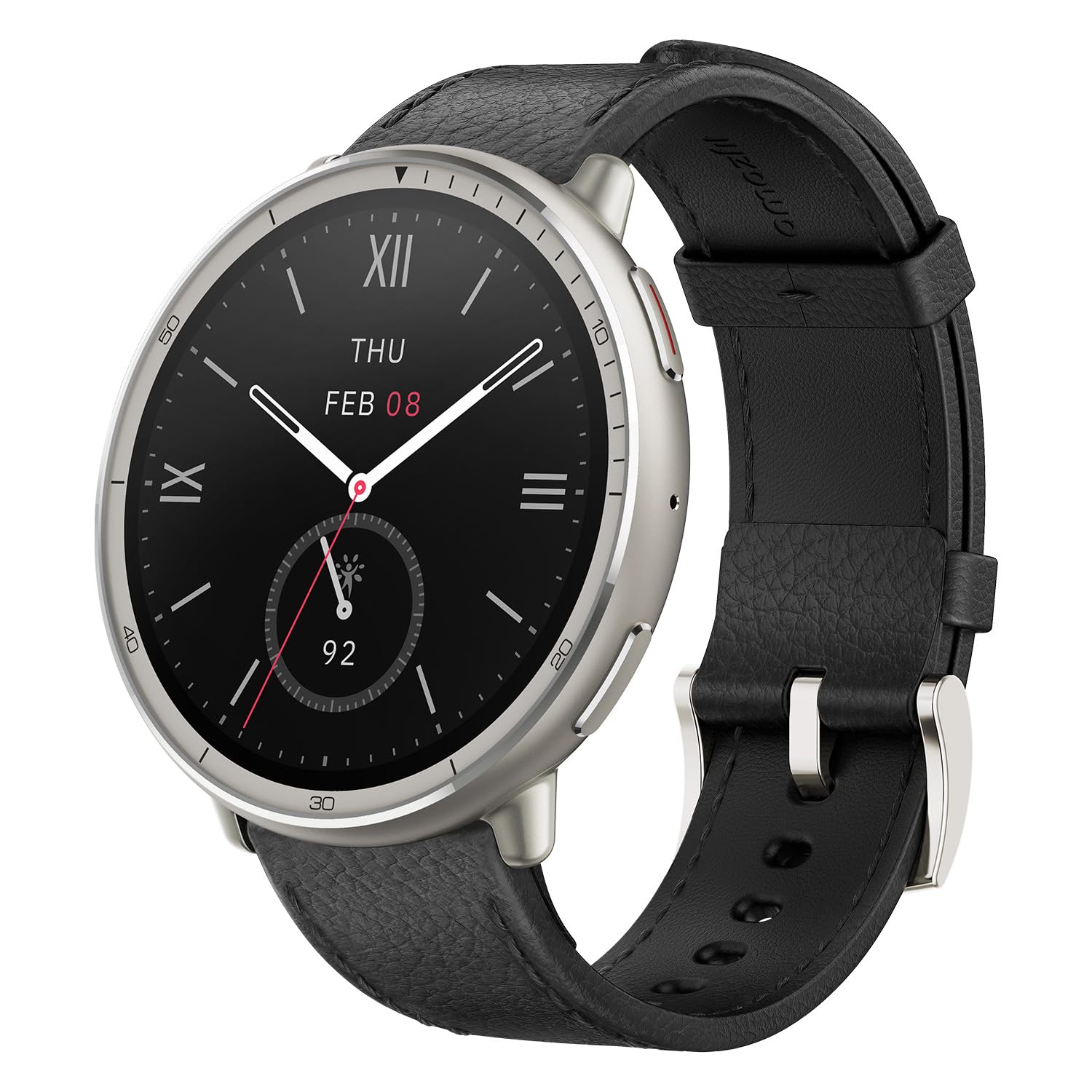
Amazfit Active 2 Premium Smart Watch Fitness Tracker (Round) for Android & iPhone, 10 Day Battery, Water Resistant, GPS Maps, Heart & Sleep Monitor, HYROX Mode, Sapphire Glass, Leather + Sport Strap
$129.98
Fitness trackers are almost always “on sale” — but that doesn’t mean you’re getting a good deal. Prices bounce around due to promo cycles, model launches, and retailer pricing games.
The reliable signal isn’t the banner — it’s real price movement over time, plus an alert that tells you when the price actually dips.
Not sure when to buy? See our timing guide: /blog/when-do-fitness-trackers-go-on-sale.
Why fitness tracker prices change so often: new model launches reset expectations, January demand spikes inflate pricing, and older models quietly get the best real drops.
When fitness trackers are usually cheapest: late February through March, after new model announcements, true clearance windows, and Black Friday for prior-gen models.
Tracking adjacent categories can help you plan a full setup: /blog/smart-scales and /blog/heart-rate-monitors.
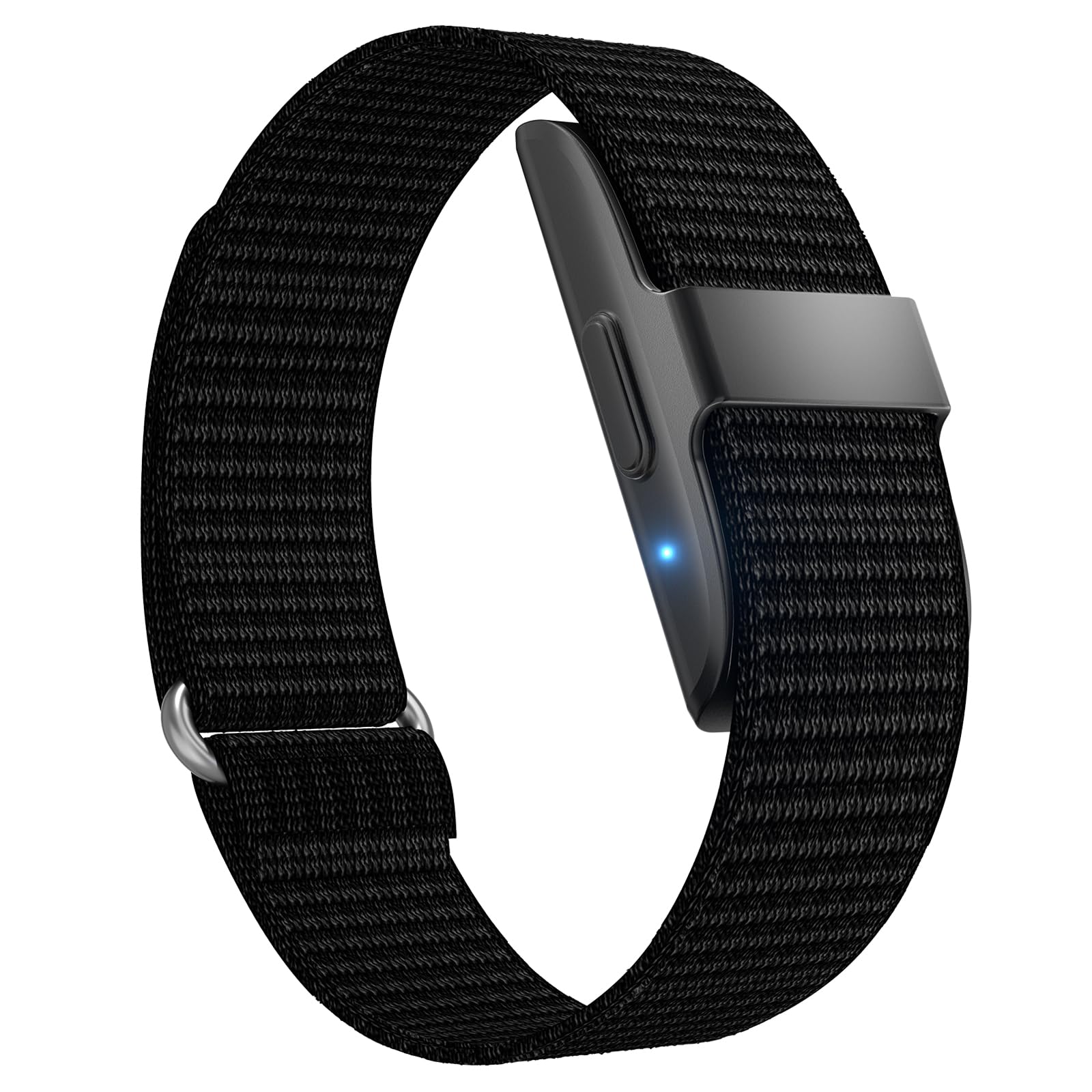
Browse fitness trackers we’re tracking daily and set free alerts when prices actually drop (ignore the fake “% off” noise).
$129.98

$119.95$113.90

$138.49
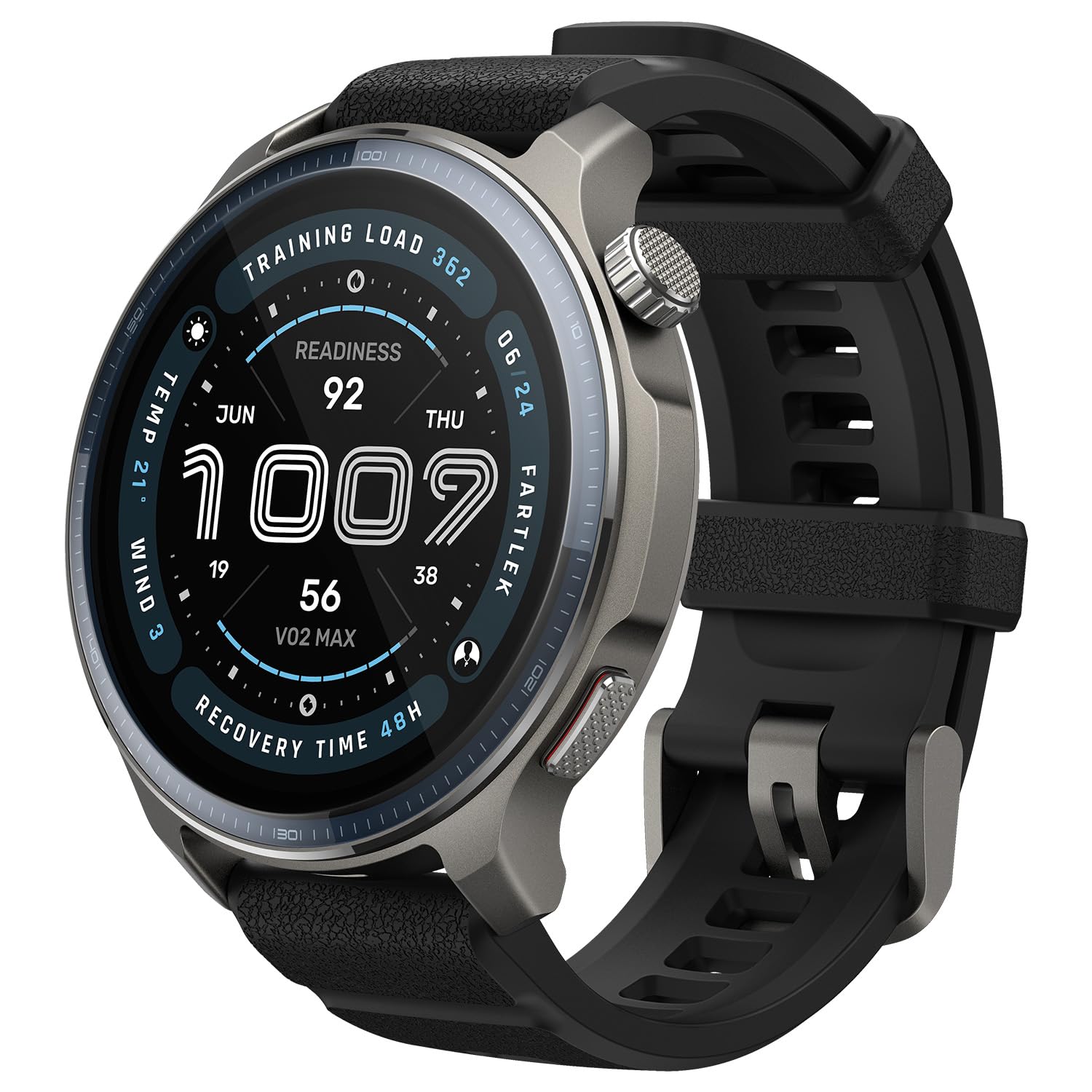
$299.99$249.99

$90.99$66.45
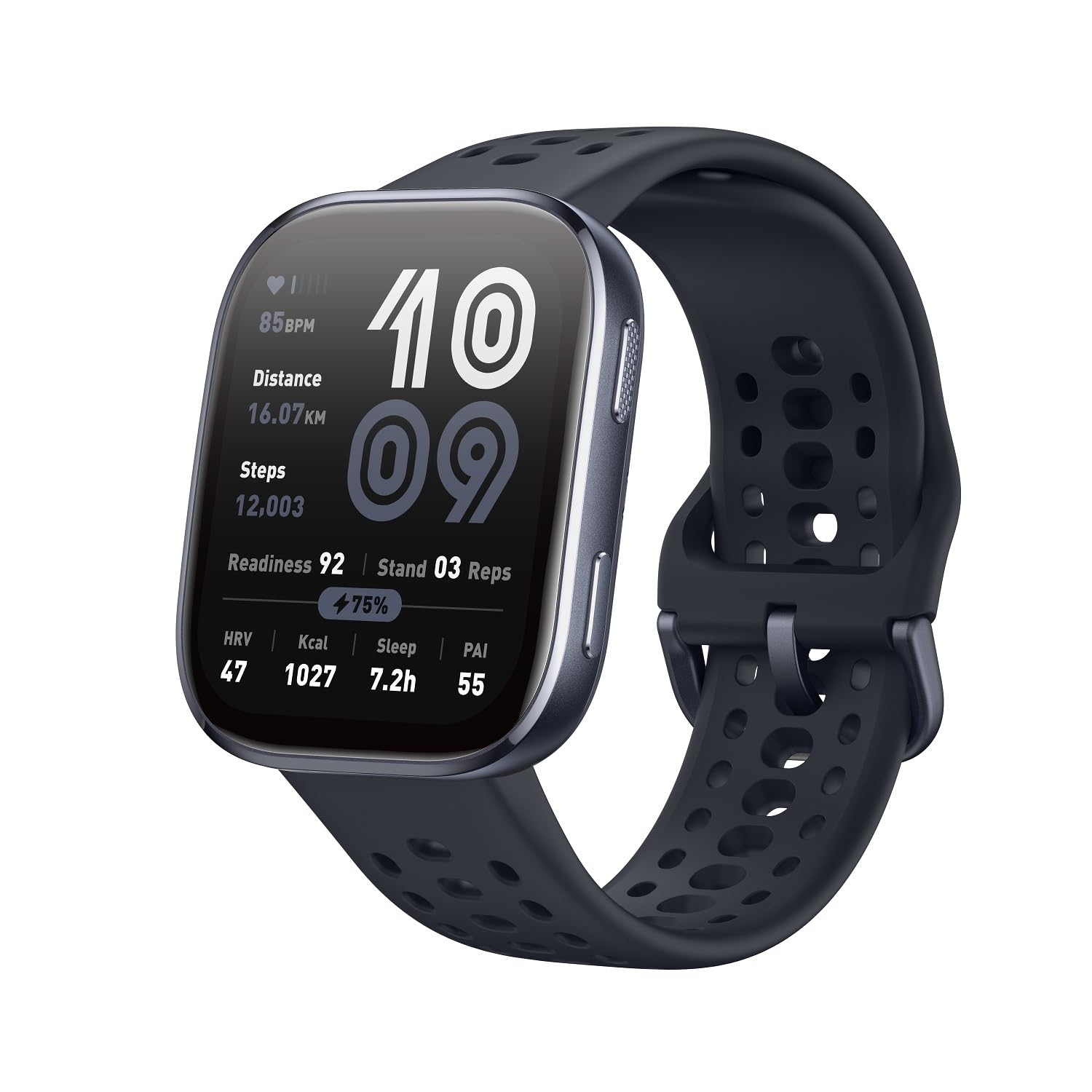
$79.99
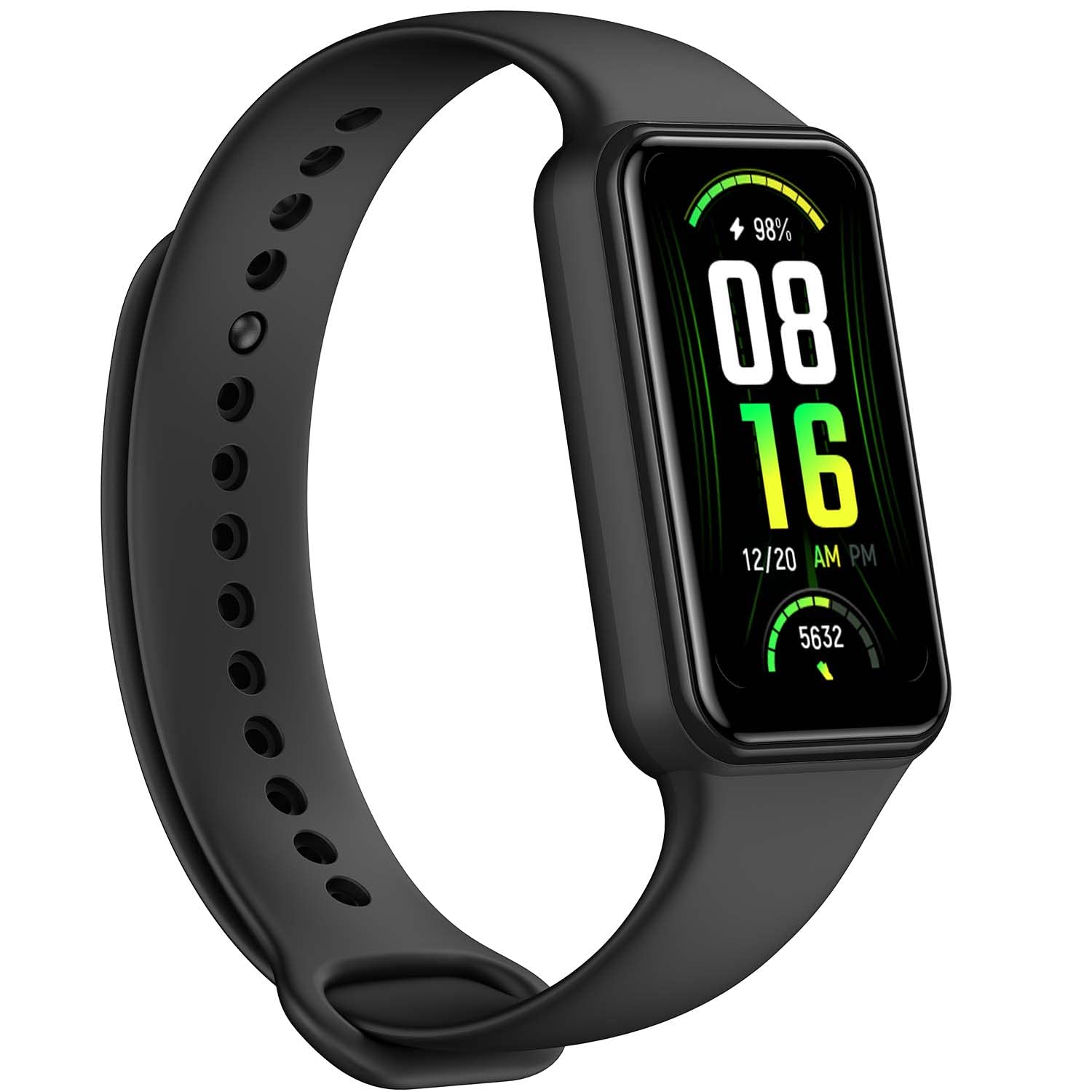
$49.99
$188.22
Explore other categories we’re tracking daily — and watch prices for FREE on anything you’re watching.